The Magic of Sleep Music: Enhance Your Restful Nights
Understanding the Power of Sleep Music
Have you ever found yourself tossing and turning, unable to drift off? You're not alone. Many of us experience sleepless nights, and while there's no one-size-fits-all remedy, sleep music has emerged as a popular solution. But what exactly is sleep music, and why is it so effective?
Sleep music is more than just background noise. It's a curated blend of melodies designed to calm your mind and body. Think of it as a lullaby for adults, scientifically tailored to induce sleep. Research from the National Center for Biotechnology Information shows that music can significantly improve sleep quality, acting as a natural sedative.
The Science Behind Sleep Music
Why does music help us sleep? It's all about the brain. When you listen to soothing tunes, your brain releases dopamine, a hormone that enhances feelings of relaxation and pleasure. According to Dr. Phyllis Zee, Director of the Center for Circadian and Sleep Medicine at Northwestern University, music can regulate your heart rate and breathing, creating a physiological response that encourages sleep.
For those of us keen on data-driven solutions, the Oura Ring might be a worthy investment. It tracks your sleep stages with impressive accuracy, allowing you to see how sleep music affects your night's rest.
Choosing the Right Sleep Music for You
Not all sleep music is created equal. Some prefer classical music, while others may find ambient sounds more soothing. The key is to find what resonates with you. Test different genres and styles to see which one lulls you into a deep slumber. A 2015 study found that participants who listened to music with a tempo of 60-80 beats per minute fell asleep faster and experienced better quality sleep.
If you're looking to enhance your bedtime environment with more than just music, consider the Sleepme Dock Pro (Chilipad). This nifty gadget helps maintain the perfect sleep temperature, complementing the calming effects of your chosen tunes.
Creating an Ideal Sleep Sanctuary
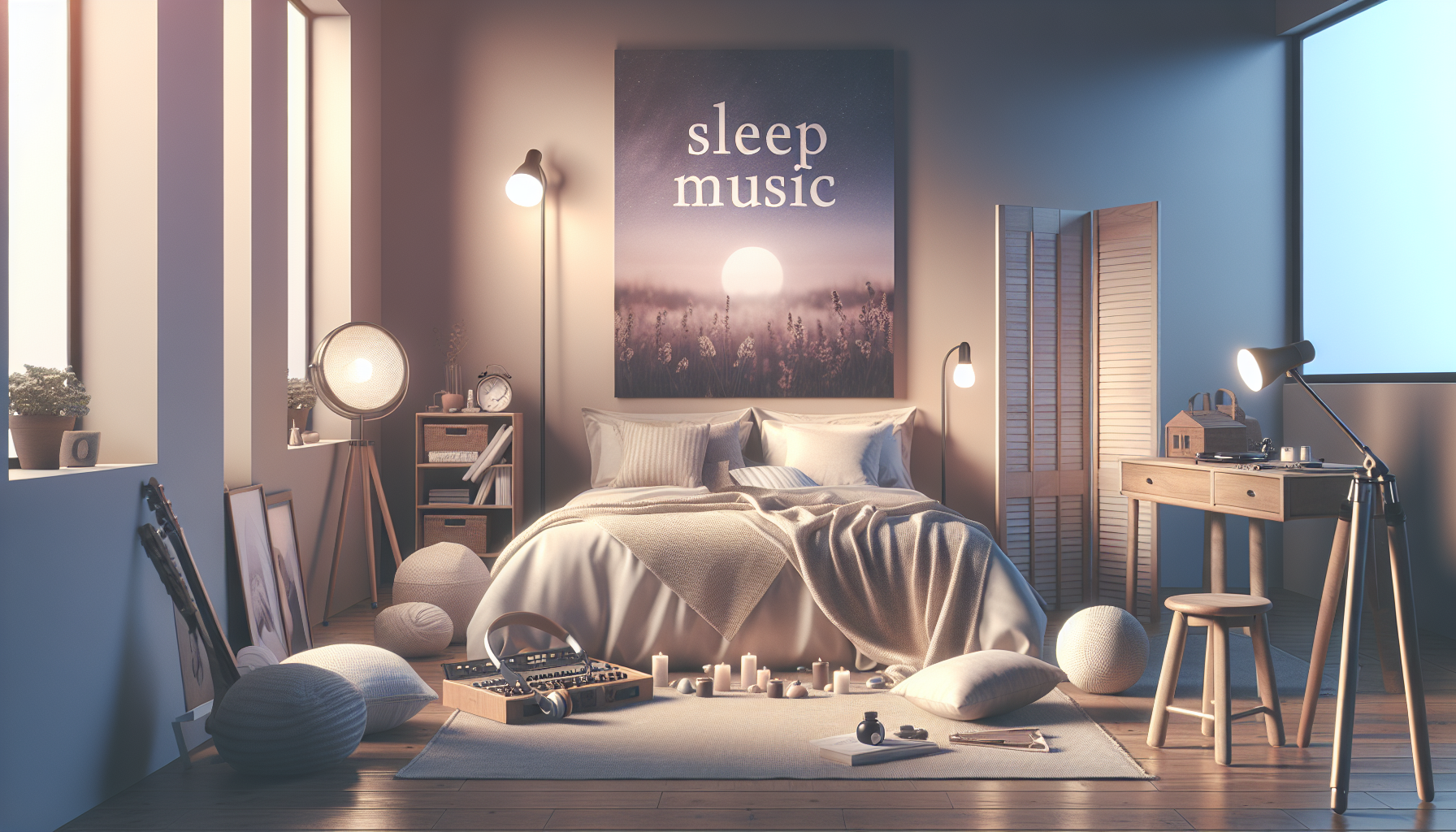
Creating the right atmosphere is crucial. Your bedroom should be a haven for relaxation, with minimal noise and light disturbances. Investing in a comfortable mattress can make a world of difference. The Zoma Mattress offers advanced zoned support and cooling technology, making it a great choice for UK sleepers seeking a perfect night’s rest.
Sound sleep is not just about what you hear. It's also about comfort. For side sleepers, Ozlo Sleepbuds provide noise masking that’s specifically designed to fit snugly without any discomfort.
How to Incorporate Sleep Music into Your Routine
Consistency is key. Try to listen to your sleep music at the same time each night to condition your brain into associating those sounds with sleep. You might find it helpful to create a bedtime ritual that includes slipping under the covers with a cup of chamomile tea, which is known for its sleep-inducing properties.
For a more tech-savvy approach, consider the Eight Sleep Pod Cover. It not only controls your bed's temperature, aligning perfectly with your sleep music routine, but also tracks sleep data, helping you to fine-tune your rest over time.
Conclusion: Embracing the Power of Music for Better Sleep
Incorporating sleep music into your nightly routine can be a game-changer. It's a simple, cost-effective strategy with scientifically backed benefits. Whether you choose to enhance your sleep with ambient melodies or classical symphonies, the journey to a restful night starts with the right soundtrack.
And remember, the quest for better sleep is personal. What works for one might not work for another. So, explore, experiment, and find your perfect harmony. Sweet dreams!