Understanding Apnea: A Deep Dive into Sleep and Solutions
The Silent Intruder: What is Apnea?
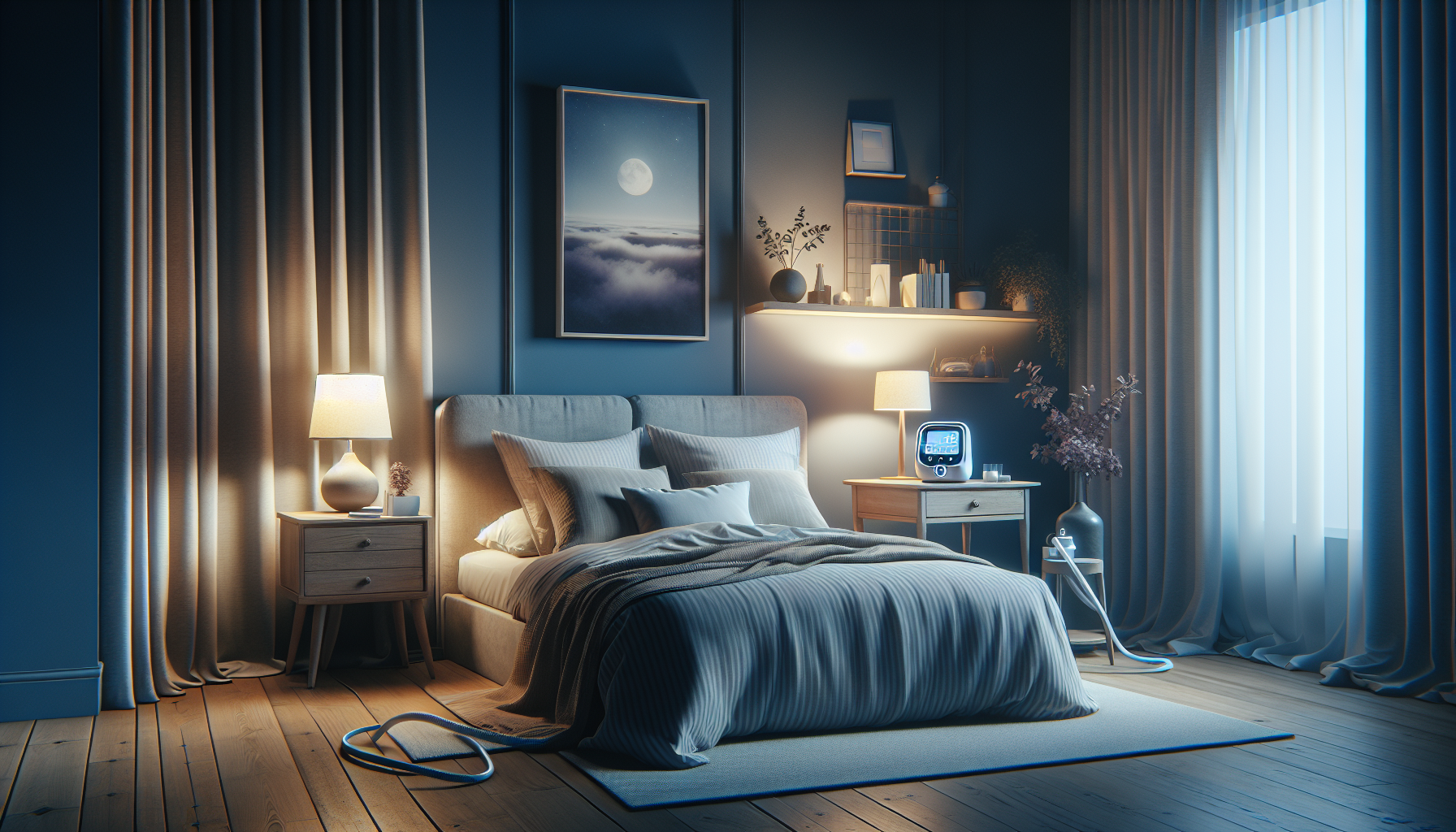
Picture this: You've tucked yourself into a cosy bed, expecting a night of uninterrupted dreams, only to wake up feeling like you've been wrestling with your duvet. If this sounds familiar, sleep apnea might be the culprit. Apnea is a condition where your breathing repeatedly stops and starts during sleep. Most people who have it don't realise it immediately, making it quite the silent intruder.
In the UK, it's estimated that around 1.5 million adults suffer from sleep apnea, though only 10% are diagnosed. This means many of us are tossing and turning, completely unaware of what's robbing us of our Zs. The most common type is obstructive sleep apnea (OSA), where throat muscles relax excessively. There's also central sleep apnea, albeit rarer, involving the brain's failure to send proper signals to the muscles that control breathing.
Is Apnea Ruining Your Sleep?
How do you know if apnea is part of your nocturnal life? Well, common signs include loud snoring, gasping for air during sleep, and daytime drowsiness. Now, the occasional snore might be harmless, but when it sounds like a freight train and leaves you exhausted, it's worth considering.
Interestingly, a study published by The Lancet Respiratory Medicine found that untreated sleep apnea can increase the risk of heart disease, stroke, and even diabetes. It's not just about feeling sleepy—it's a real health concern. If you've got a partner, they might be the first to notice your nightly symphony, alerting you to a potential problem.
Seeking Solutions: From Lifestyle Changes to Tech
Once you've identified the problem, the next step is tackling it head-on. Often, lifestyle changes can make a huge difference. Losing a bit of weight, quitting smoking, or even changing your sleep position might help. For instance, side sleeping can keep your airway open, reducing apnea episodes.
On the tech front, the Oura Ring is a handy gadget for tracking sleep stages and spotting irregularities. Its detailed insights can be a wake-up call—pun intended—to seek further medical advice.
Then there's the option of upgrading your sleep environment. The Zoma Mattress offers zoned support and cooling technology, ensuring a restful night's sleep. It's perfect for those who might find traditional mattresses exacerbating their apnea symptoms.
Medical Interventions: When to Seek Professional Help
Not all cases of sleep apnea can be managed with lifestyle tweaks and technology. For more severe cases, professional interventions are necessary. Continuous Positive Airway Pressure (CPAP) machines are widely recommended. They keep your airways open by providing a steady flow of air through a mask.
But hey, don't let the idea of a machine intimidate you. It's about improving your quality of life. After all, effective treatment can significantly reduce the risk of complications and improve your daytime alertness. If CPAP isn't your thing, consider consulting a sleep specialist for alternative treatments.
Remember, investing in your sleep health is about more than just equipment. A mattress that supports you can be a game-changer. The Layla Sleep Mattress, with its copper-infused foam, not only offers optimal support but also keeps you cool at night, potentially minimising apnea disruptions.
Final Thoughts: Your Journey to Better Sleep
Addressing sleep apnea is a journey, not a sprint. It's about understanding your body's needs and finding solutions that work for you. Whether it's through lifestyle changes, embracing technology, or seeking medical help, there's a path to better sleep waiting for you.
And as with any health concern, don't hesitate to talk to your GP. They're there to help you navigate your way through sleep-related challenges. After all, waking up refreshed and ready to seize the day is a right, not a privilege. Sweet dreams!