Understanding Your Circadian Rhythm: The Key to Better Sleep
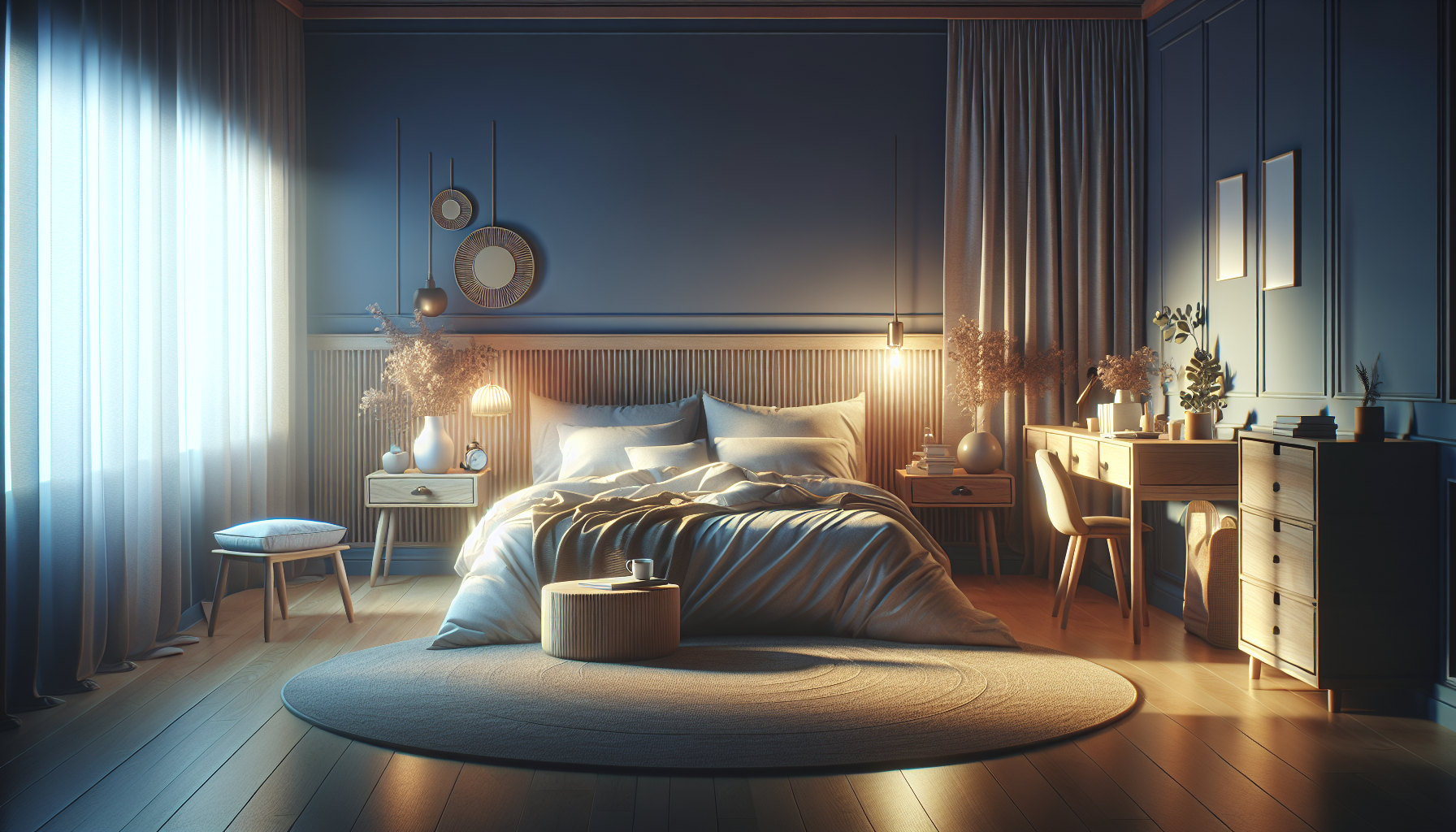
A Day in the Life of Your Circadian Rhythm
Have you ever wondered why you feel sharp as a tack some days and sluggish the next? It's often down to your circadian rhythm—the internal clock ticking away inside your brain. This 24-hour cycle governs not only when you sleep but also affects your mood, energy levels, and even your digestion. Fascinatingly, this rhythm is as old as time itself, emerging from our primeval need to sync with the Earth's day-night cycle.
Our ancestors, without the wonders of modern lighting, rose with the sun and retired with its setting. Today, artificial light and screen time can throw this natural order into chaos. Ever glanced at your smartphone in bed and then found it impossible to sleep? There you go; your circadian rhythm has taken a hit.
Why Your Circadian Rhythm Matters
Simply put, your circadian rhythm is a master regulator. According to the Sleep Foundation, it impacts your sleep-wake cycles, hormone release, and even metabolic processes. A study published in the journal Nature Reviews Neuroscience highlights that disruptions to this rhythm can lead to a slew of health issues, from insomnia to obesity and even depression.
So, how can you keep your rhythm in check? Consistency is key. Try waking up and hitting the hay at the same time every day, regardless of whether it's a weekday or weekend. This regularity helps align your internal clock with your daily routine.
The Science Behind Circadian Rhythm
Let's delve into a bit of biology. Your circadian rhythm is regulated by the suprachiasmatic nucleus (SCN) located in your brain's hypothalamus. The SCN receives signals from light exposure through your eyes and cues your body to produce melatonin, the hormone that makes you feel sleepy.
According to Dr. Sarah Haigh, a sleep researcher, "Light exposure is like a reset button for your circadian rhythm. Morning sunlight is particularly effective at setting your internal clock for the day."
For those of you tech enthusiasts, gadgets like the Oura Ring by Oura offer a high-tech way to track your sleep cycles and circadian rhythm. It's like having a mini sleep lab right on your finger.
Embrace the Night: The Art of Evening Wind-Down
How do you prepare for a good night's sleep? Many of us are guilty of cramming in a last minute Netflix binge or scrolling through social media until our eyes droop. Instead, consider creating a calming pre-sleep ritual that aligns with your circadian rhythm.
Why not try the Sleepiest App by Sleepiest? This app offers sleep stories and soothing soundscapes to gently ease you into slumber. It's like a lullaby for adults.
The Impact of Temperature on Circadian Rhythm
Temperature plays a crucial role in sleep as well. According to research published in the journal Sleep Medicine Reviews, a cooler room temperature can facilitate the onset of sleep by mimicking the natural dip in body temperature that occurs at night.
For those who want to take control of their sleep environment, consider the Eight Sleep Pod Cover by Eight Sleep or the Sleepme Dock Pro (Chilipad) by Sleepme. These devices allow you to adjust the temperature of your bed, helping to keep your circadian rhythm on track by maintaining an optimal sleep environment.
Conclusion: Syncing Your Life to Your Circadian Rhythm
Understanding and respecting your circadian rhythm is like getting a backstage pass to your body's inner workings. It requires a little patience and observation, but the payoff is a night of restorative sleep, improved mood, and overall better health.
If you're having trouble with your sleep, start small. Make minor adjustments to your routine and see how your body responds. After all, your life is a symphony, and the circadian rhythm is its conductor. It's time to let it lead you to a harmonious, well-rested existence.